Most people see Old Phuket Town in about forty minutes. They park near the Sunday market, photograph a pastel shophouse or two, eat at the place with the longest English menu, and leave thinking they've seen it.
大多数人用大约四十分钟"看完"普吉老城。他们在周日市集附近停好车,拍一两栋粉彩骑楼,在英文菜单最长的那家店吃饭,然后带着"已经看过了"的感觉离开。
คนส่วนใหญ่ดูเมืองเก่าภูเก็ตจบในราวสี่สิบนาที จอดรถแถวตลาดวันอาทิตย์ ถ่ายรูปตึกแถวสีพาสเทลสักหลังสองหลัง กินที่ร้านที่มีเมนูภาษาอังกฤษยาวที่สุด แล้วก็จากไปด้วยความรู้สึกว่าได้เห็นมันแล้ว
They've seen the set. Not the town.
他们看到的是布景,不是这座城。
พวกเขาเห็นแค่ฉาก ไม่ใช่ตัวเมือง
Old Phuket Town is a Sino-Portuguese trading port that's been quietly feeding the same families for over a century. The architecture is the obvious part. The part that takes a local is knowing which lane to turn down, which stall the cook still runs himself, and why the town feels like a completely different place at 8am than it does at 8pm.
普吉老城是一座中葡风格的贸易港,一个多世纪以来,它一直默默养活着同样的那些家族。建筑是显而易见的部分。需要本地人带你才懂的,是该拐进哪条巷子、哪个摊子至今仍是厨师亲自掌勺,以及为什么这座城在早上八点和晚上八点,感觉判若两地。
เมืองเก่าภูเก็ตคือเมืองท่าค้าขายสไตล์ชิโน-โปรตุกีส ที่เลี้ยงดูครอบครัวกลุ่มเดิมมานานกว่าหนึ่งศตวรรษอย่างเงียบ ๆ สถาปัตยกรรมคือส่วนที่เห็นได้ชัด ส่วนที่ต้องอาศัยคนท้องถิ่นคือการรู้ว่าควรเลี้ยวเข้าซอยไหน ร้านไหนที่พ่อครัวยังลงมือเองอยู่ และทำไมเมืองนี้ตอนแปดโมงเช้าถึงรู้สึกเหมือนคนละเมืองกับตอนสองทุ่ม
Here's how to walk it the way someone who lives here would.
下面,就是住在这里的人会怎么走这座城。
นี่คือวิธีเดินเมืองนี้แบบคนที่อาศัยอยู่ที่นี่
1. The two minutes of history that make the streets make sense
一、看懂这些街道,只需两分钟历史
1. ประวัติศาสตร์สองนาทีที่ทำให้ถนนพวกนี้เข้าใจง่ายขึ้น
In the late 1800s, Phuket ran on tin. The mines drew Hokkien Chinese traders, who arrived, stayed, and married into the island — and built in the style they'd seen in the trading ports of the strait: narrow shophouse fronts, deep interiors, a covered walkway out front so you could move down a whole street in the rain or the sun without stepping into either.
十九世纪末,普吉靠锡矿运转。矿场吸引了福建华商,他们来了、留下、与本地通婚——并以他们在海峡贸易港见过的样式建房:店面窄、进深长,门前一道有顶的走廊,让你能在雨里或烈日下走完整条街,而不必踏进其中任何一种。
ปลายคริสต์ศตวรรษที่ 1800 ภูเก็ตขับเคลื่อนด้วยแร่ดีบุก เหมืองดึงดูดพ่อค้าชาวจีนฮกเกี้ยน ที่เข้ามา ปักหลัก และแต่งงานเข้ากับเกาะ — แล้วสร้างบ้านในสไตล์ที่เคยเห็นตามเมืองท่าริมช่องแคบ คือหน้าตึกแถวแคบ ตัวอาคารลึก และมีทางเดินมีหลังคาด้านหน้า เพื่อให้เดินไปตลอดทั้งถนนได้ทั้งยามฝนตกและแดดออก โดยไม่ต้องเจอทั้งสองอย่าง
That covered walkway has a name — the five-foot way — and once you know to look for it, the whole town reorganizes itself in front of you. The pastel colors aren't decoration for tourists; they're what a prosperous trading family did with a façade. The town is a working record of who came here and why.
那道有顶走廊有个名字——五脚基——一旦你懂得去找它,整座城就会在你眼前重新排列。那些粉彩色不是给游客看的装饰;那是一个殷实商家对自家门面的处理。这座城,是一份关于谁来过、为何而来的活档案。
ทางเดินมีหลังคานั้นมีชื่อเรียกว่า หง่อคาขี่ (ทางเดินห้าฟุต) — พอคุณรู้ว่าต้องมองหามัน ทั้งเมืองก็จะจัดเรียงตัวใหม่ตรงหน้าคุณ สีพาสเทลพวกนั้นไม่ใช่ของตกแต่งไว้ล่อนักท่องเที่ยว แต่คือสิ่งที่ครอบครัวพ่อค้าผู้มั่งคั่งทำกับหน้าบ้านของตัวเอง เมืองนี้คือบันทึกที่ยังมีชีวิต ว่าใครเคยมาที่นี่ และมาทำไม
2. Go twice — morning and evening are two different towns
二、去两次——早晨和傍晚是两座不同的城
2. ไปสองครั้ง — เช้ากับเย็นคือคนละเมือง
The single biggest mistake is treating Old Town as an evening thing. The evening is the easy version: lamps on, food carts out, the crowd thick on the weekend Walking Street (that's Thalang Road, Sundays).
最大的一个误区,就是把老城只当成傍晚的去处。傍晚是简单版:灯亮起来,小吃车出摊,周末步行街上人潮拥挤(也就是塔朗路,逢周日)。
ความผิดพลาดที่ใหญ่ที่สุดคือการมองว่าเมืองเก่าเป็นเรื่องของตอนเย็น ตอนเย็นคือเวอร์ชันง่าย ๆ ไฟติด รถเข็นอาหารออกมา ผู้คนแน่นถนนคนเดินช่วงสุดสัปดาห์ (คือถนนถลาง ทุกวันอาทิตย์)
But the morning is the better one. Earlier, the same streets belong to the people who live on them — the coffee shops with the old marble tables, monks on the alms round, shutters going up one by one, light coming in low and kind on the façades. Cooler, quieter, and you'll have the architecture mostly to yourself.
但早晨才是更好的那一个。清早,同样的街道属于住在街上的人——摆着老式大理石桌的咖啡店、托钵化缘的僧人、一扇扇拉起的卷帘门、低斜而温柔地洒在门面上的晨光。更凉爽、更安静,那些建筑也几乎全归你一个人。
แต่ตอนเช้าคือเวอร์ชันที่ดีกว่า เช้ากว่านั้น ถนนสายเดิมเป็นของคนที่อาศัยอยู่บนถนนนั้น — ร้านกาแฟโต๊ะหินอ่อนเก่า ๆ พระออกบิณฑบาต บานประตูม้วนค่อย ๆ เปิดทีละบาน แสงเช้าทอดต่ำ ๆ ลงบนหน้าตึกอย่างนุ่มนวล อากาศเย็นกว่า เงียบกว่า และสถาปัตยกรรมเกือบทั้งหมดจะเป็นของคุณคนเดียว
If you can only go once, go in the morning and stay through coffee. If you can go twice, you'll understand the place.
如果只能去一次,就早晨去,留下来喝杯咖啡再走。如果能去两次,你就会真正读懂这个地方。
ถ้าไปได้ครั้งเดียว ให้ไปตอนเช้าแล้วอยู่ต่อจนได้นั่งจิบกาแฟ ถ้าไปได้สองครั้ง คุณจะเข้าใจที่นี่จริง ๆ
3. Where a local actually eats
三、当地人究竟在哪里吃
3. คนท้องถิ่นกินที่ไหนกันจริง ๆ
This is the part guidebooks get wrong, because the good stalls don't advertise and don't translate their signs. The honest rule travels anywhere in this town: eat where the line is local and the menu isn't in four languages. Skip the places that lead with a giant photo menu and have no local customers.
这正是旅游指南最容易写错的部分,因为好摊子既不打广告,也不把招牌翻译成外文。有一条放之全城皆准的实在规矩:去排队的人是本地人、菜单不是四国语言的地方吃。那些一进门就是巨幅图片菜单、却没有本地客人的店,跳过。
นี่คือส่วนที่ไกด์บุ๊กมักพลาด เพราะร้านอร่อยจริงไม่โฆษณา และไม่แปลป้ายเป็นภาษาอื่น มีกฎซื่อ ๆ ที่ใช้ได้ทั่วเมืองนี้ คือกินร้านที่คนต่อแถวเป็นคนท้องถิ่น และเมนูไม่ได้มีสี่ภาษา ข้ามร้านที่ชูเมนูรูปยักษ์หน้าร้านแต่ไม่มีลูกค้าท้องถิ่นไปได้เลย
The institutions worth your appetite earned their names over thirty to eighty years — chosen for consistency, not fame. Lock Tien and Mee Ton Poe for the old-town classics, Go Benz for its dry pork rice, One Chun and Tu Kab Khao for sit-down Phuket dishes, Ko Ang for seafood. Plenty of places copy the famous dishes; these are the ones that earned them.
那些值得你胃口的老字号,名声是用三十到八十年挣来的——选它们是因为始终如一,而不是因为有名。老城经典去 Lock Tien 和 Mee Ton Poe,干拌猪肉饭去 Go Benz,想坐下来好好吃普吉菜去 One Chun 和 Tu Kab Khao,海鲜去 Ko Ang。模仿那几道名菜的店多得很;这几家,是真正把名声挣到手的。
ร้านเก่าแก่ที่คู่ควรกับท้องคุณสั่งสมชื่อเสียงมา สามสิบถึงแปดสิบปี — เลือกเพราะความสม่ำเสมอ ไม่ใช่เพราะดัง ของคลาสสิกเมืองเก่าไป Lock Tien และ Mee Ton Poe, ข้าวหมูแดง/หมูสับแห้งไป Go Benz, อาหารภูเก็ตแบบนั่งกินไป One Chun และ ตู้กับข้าว (Tu Kab Khao), อาหารทะเลไป Ko Ang หลายร้านลอกเมนูดัง ๆ ไป แต่ร้านพวกนี้คือเจ้าของตัวจริง
What to order: Moo Hong — Phuket's slow-braised pork stew, richer and more layered than anyone expects, and the dish a local will tell you is the truest taste of the island. Hokkien noodles with seafood — if you eat one thing all evening, make it this. Phuket crab curry if it's your first time. And what the locals quietly order: O-Tao, the oyster omelette, plus dry pork rice and pork rib soup.
点什么:Moo Hong(卤五花肉)——普吉慢炖猪肉,比谁想的都更浓郁、更有层次,本地人会告诉你,这才是这座岛最真的味道。福建海鲜面——如果整晚只吃一样,就吃它。第一次来的话,试试普吉咖喱蟹。还有本地人会默默点的:O-Tao(蚝煎)、干拌猪肉饭,以及猪肋排汤。
สั่งอะไรดี: หมูฮ้อง — หมูตุ๋นเคี่ยวช้าแบบภูเก็ต เข้มข้นและมีมิติกว่าที่ใครคิด และเป็นจานที่คนท้องถิ่นจะบอกว่าคือรสชาติที่จริงที่สุดของเกาะ หมี่ฮกเกี้ยนผัดทะเล — ถ้าทั้งเย็นจะกินอย่างเดียว ให้กินจานนี้ แกงปูภูเก็ต ถ้ามาครั้งแรก และของที่คนท้องถิ่นสั่งกันเงียบ ๆ คือ โอ้เอ๋ว (O-Tao) หอยทอด ข้าวหมูแดงแห้ง และต้มกระดูกหมู
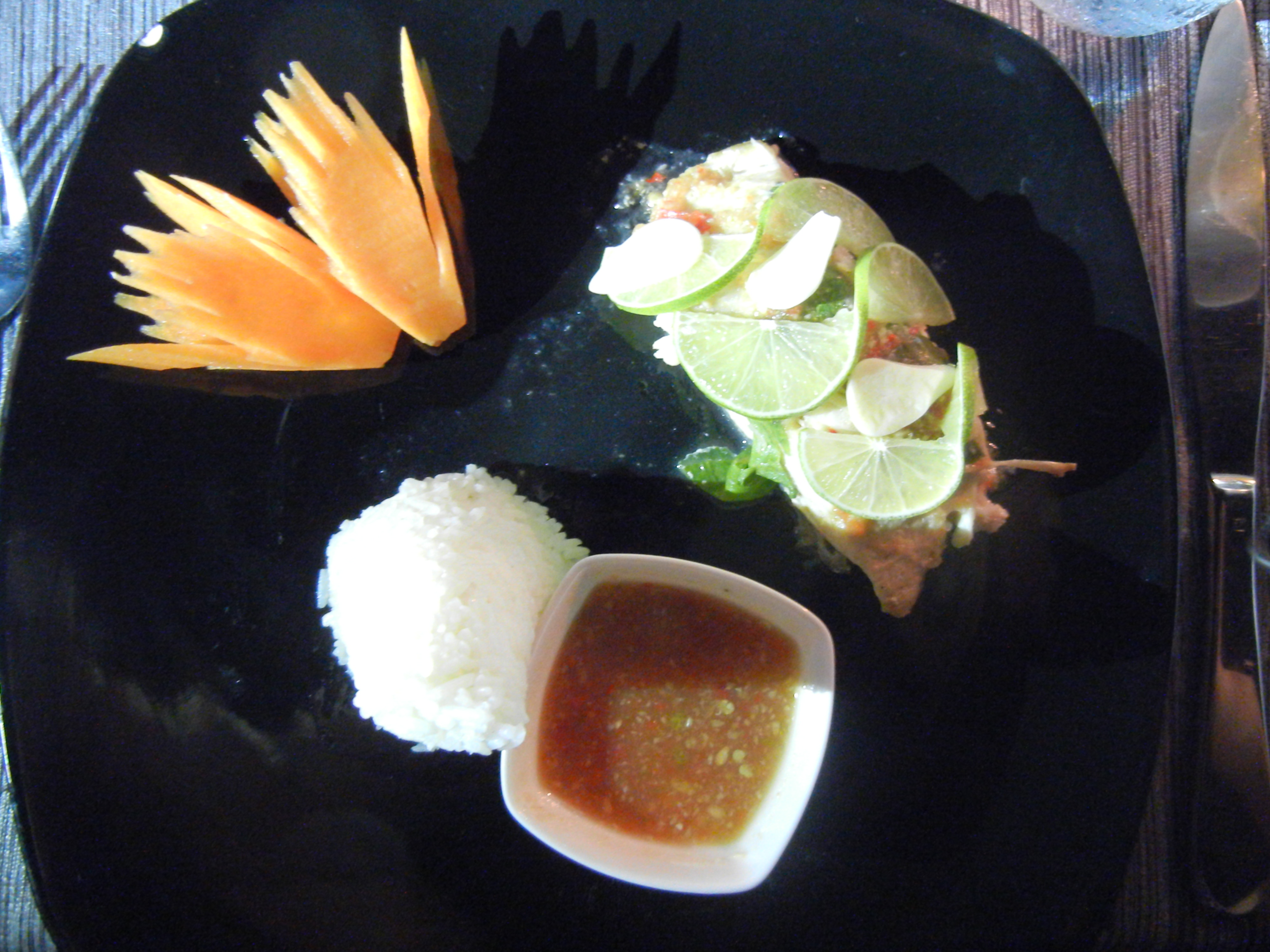
Order where the line is local and the menu isn't in four languages.
去排队的是本地人、菜单不是四国语言的地方点菜。
สั่งร้านที่คนต่อแถวเป็นคนท้องถิ่น และเมนูไม่ได้มีสี่ภาษา
4. The streets worth slowing down on
四、值得放慢脚步的街道
4. ถนนที่ควรเดินให้ช้าลง
Thalang Road is the spine — the most photographed, and still worth it on a quiet morning. The thing to actually notice is at your feet and over the doors: the old tilework, the maker's marks, the shutters.
塔朗路是这座城的脊梁——最多人拍照,在安静的清晨仍然值得一走。真正该留意的,在你脚下和门楣之上:旧瓷砖、匠人留下的印记、那些卷帘木窗。
ถนนถลาง คือกระดูกสันหลังของเมือง — ถูกถ่ายรูปมากที่สุด และยังคุ้มค่าในเช้าที่เงียบ ๆ สิ่งที่ควรสังเกตจริง ๆ อยู่ที่ใต้เท้าคุณและเหนือประตู คือกระเบื้องเก่า ตราของช่าง และบานเฟี้ยมไม้
Soi Romanee is the prettiest lane and the one with the most history packed into the least distance — it has a past it's not shy about, and today it's a row of restored pastel houses worth a slow walk rather than a quick photo.
Soi Romanee(罗曼尼巷)是最漂亮的小巷,也是在最短距离里塞进最多历史的一条——它有一段并不讳言的过去,如今是一排修缮一新的粉彩老宅,值得慢慢走,而不只是匆匆一拍。
ซอยรมณีย์ คือซอยที่สวยที่สุด และอัดแน่นด้วยประวัติศาสตร์มากที่สุดในระยะทางที่สั้นที่สุด — มันมีอดีตที่ไม่เคยปิดบัง และวันนี้คือแถวบ้านสีพาสเทลที่บูรณะแล้ว คู่ควรกับการเดินช้า ๆ มากกว่าถ่ายรูปแล้วไป
Dibuk and Krabi Roads hold the grander mansions, where the tin families built once they had real money. Less foot traffic, more to look at if architecture is your thing.
迪布路和甲米路上是更气派的宅邸,锡矿家族真正有钱之后就建在这里。人流更少,如果你钟意建筑,可看的更多。
ถนนดีบุกและถนนกระบี่ เป็นที่ตั้งของคฤหาสน์หลังใหญ่กว่า ที่ตระกูลเหมืองดีบุกสร้างเมื่อมีเงินจริง ๆ คนเดินน้อยกว่า แต่มีอะไรให้ดูมากกว่า ถ้าคุณชอบสถาปัตยกรรม
5. What most visitors get wrong
五、大多数游客错在哪里
5. สิ่งที่นักท่องเที่ยวส่วนใหญ่เข้าใจผิด
Three things, mostly. They give it forty minutes when it deserves a morning. They eat at the place built to be found, not the place worth finding. And they treat the town as a backdrop to stand in front of, rather than a living neighborhood to move through.
主要是三件事。明明值得一个早晨,他们只给四十分钟。他们去的是"被设计成容易找到"的店,而不是"值得你去找"的店。他们把这座城当成一块站在前面拍照的背景板,而不是一个可以穿行其间、仍在生活的街区。
หลัก ๆ มีสามอย่าง พวกเขาให้เวลามันสี่สิบนาที ทั้งที่มันคู่ควรกับทั้งเช้า พวกเขากินร้านที่ถูกสร้างมาให้หาเจอง่าย ไม่ใช่ร้านที่คู่ควรกับการตามหา และมองเมืองนี้เป็นฉากหลังไว้ยืนถ่ายรูป แทนที่จะเป็นย่านที่ยังมีชีวิต ไว้เดินผ่านเข้าไป
None of that is a moral failing — it's just what happens without someone who knows the town walking you through it. Which is the whole reason locals matter, and the whole reason we built what's below.
这些都不是什么道德上的过错——只是少了一个懂这座城的人带你走,自然就会这样。而这,正是本地人之所以重要的全部原因,也是我们做出下面这件事的全部原因。
ทั้งหมดนั้นไม่ใช่ความผิดทางศีลธรรมอะไร — มันแค่เป็นสิ่งที่เกิดขึ้นเมื่อไม่มีคนที่รู้จักเมืองนี้พาคุณเดิน ซึ่งนั่นคือเหตุผลทั้งหมดว่าทำไมคนท้องถิ่นถึงสำคัญ และเป็นเหตุผลทั้งหมดที่เราสร้างสิ่งที่อยู่ด้านล่างนี้ขึ้นมา
We're putting this on a walk
我们正把它做成一场步行
เรากำลังทำสิ่งนี้ให้เป็นทริปเดินเท้า
An Old Phuket Town food-and-culture walk is one of our first experiences — the streets, the history, and the stalls we'd actually send a friend to, on foot, the way a local eats it. It's opening soon. In the meantime, the free guide is the short list of where we'd send you.
普吉老城的美食与文化步行,是我们最早推出的体验之一——那些街道、那段历史,以及我们真心会推荐给朋友的摊子,徒步去走,像本地人那样吃。即将开放。在那之前,这份免费指南就是我们会指给你的那张精简清单。
ทริปเดินกินและสัมผัสวัฒนธรรมเมืองเก่าภูเก็ต คือหนึ่งในประสบการณ์ชุดแรกของเรา — ถนน ประวัติศาสตร์ และร้านที่เราจะแนะนำให้เพื่อนจริง ๆ เดินด้วยเท้า กินแบบคนท้องถิ่น กำลังจะเปิดเร็ว ๆ นี้ ระหว่างนี้ คู่มือฟรีคือรายชื่อสั้น ๆ ของที่ที่เราจะพาคุณไป
Get the free guide → 领取免费指南 → รับคู่มือฟรี →Keep reading: Phuket without the crowds — where to go when you want quiet →
继续阅读:避开人潮的普吉——想要安静时该去哪里 →
อ่านต่อ: ภูเก็ตที่ไม่มีฝูงคน — ไปไหนดีเมื่ออยากได้ความเงียบ →
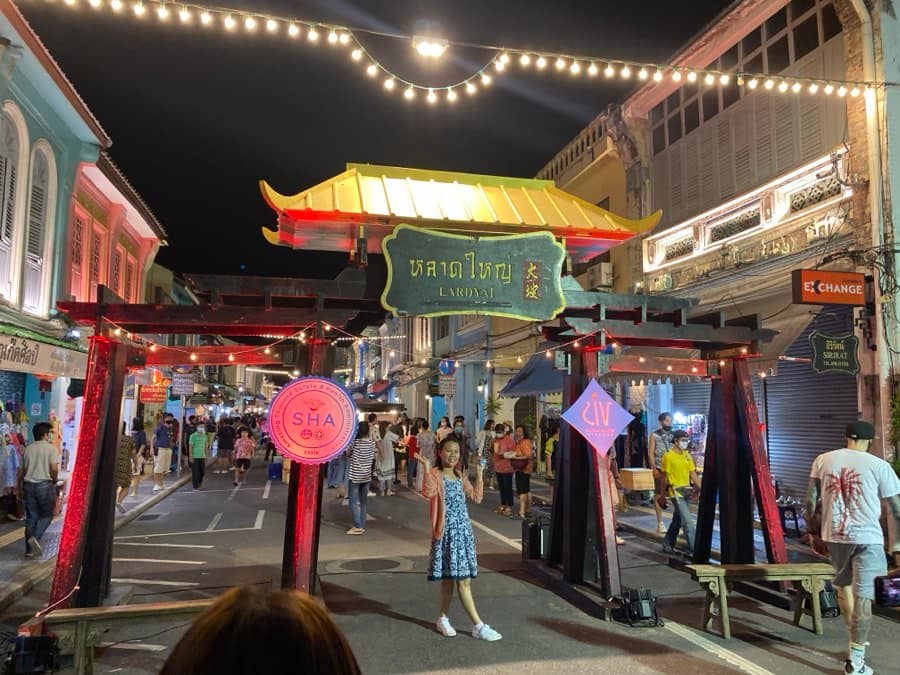
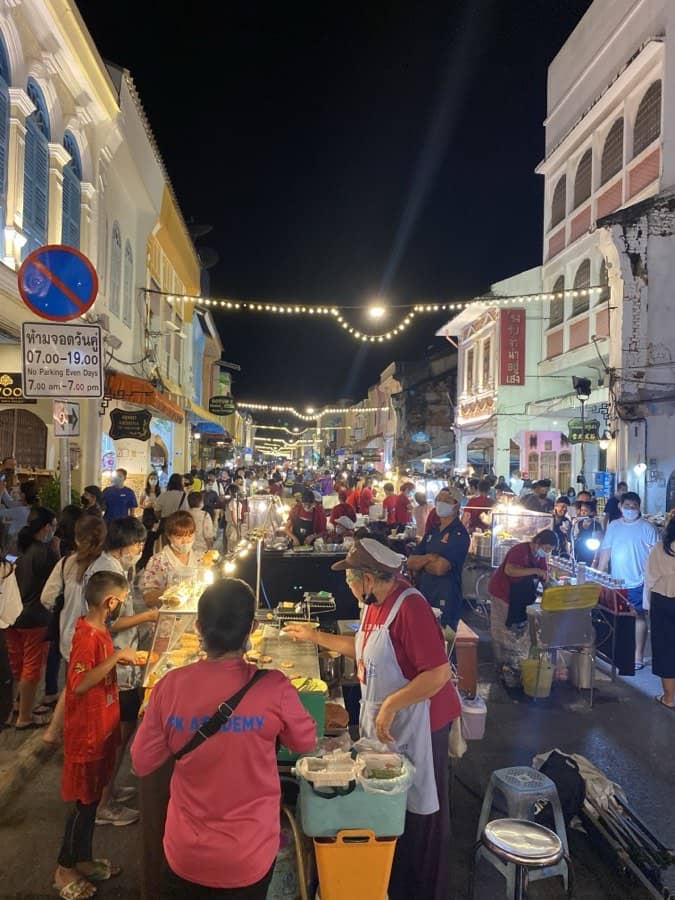
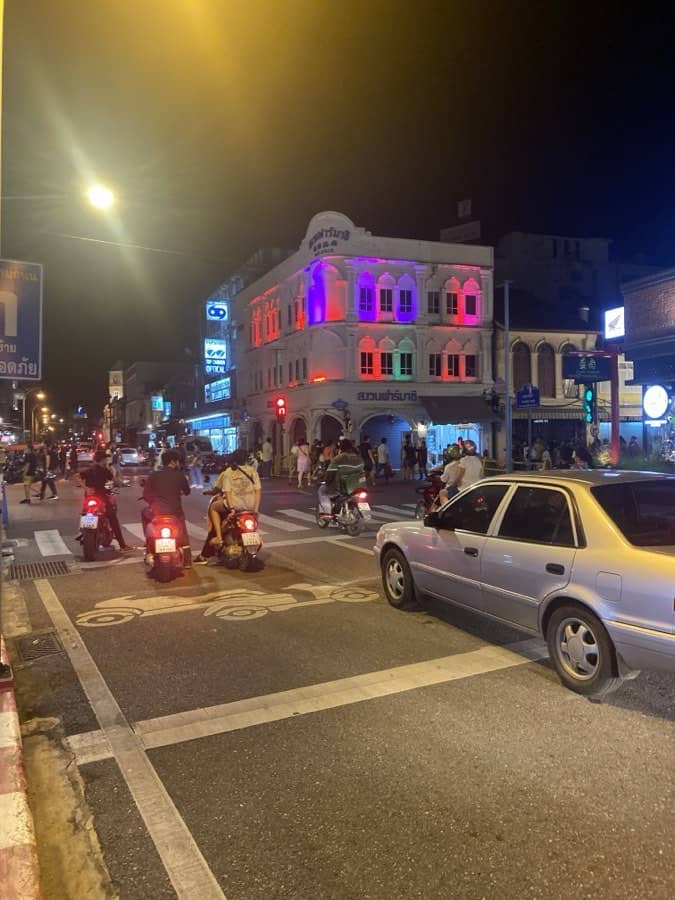
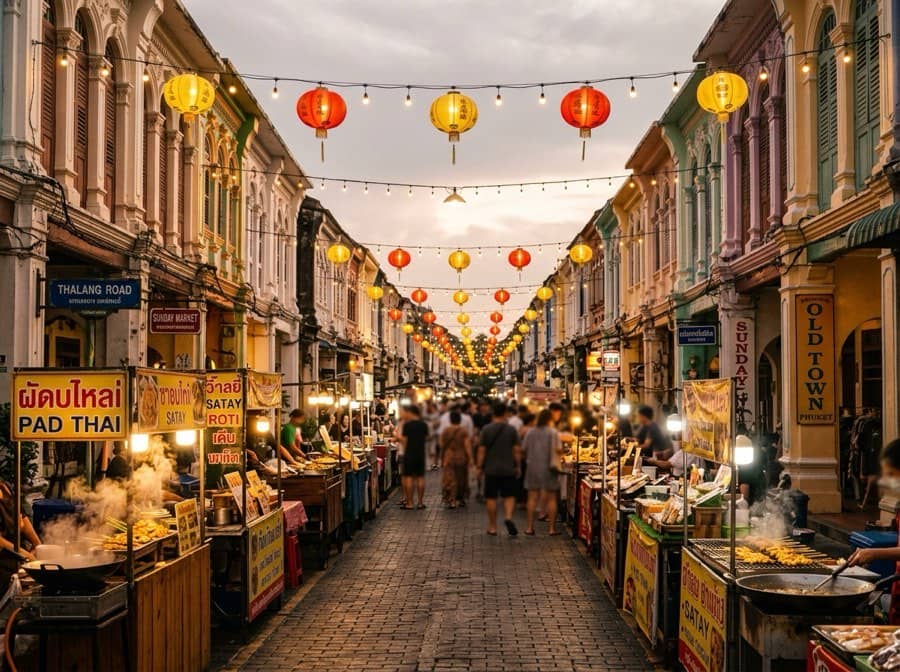
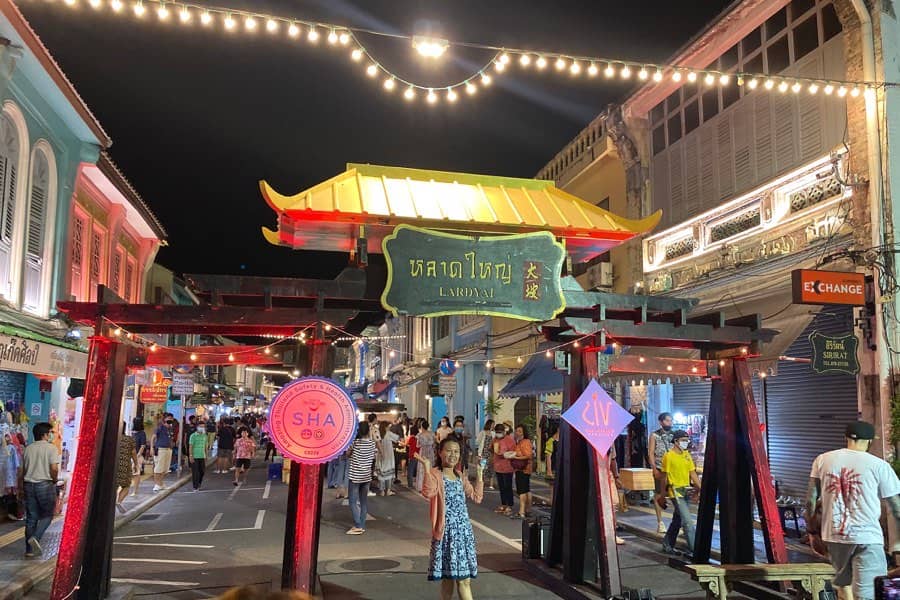
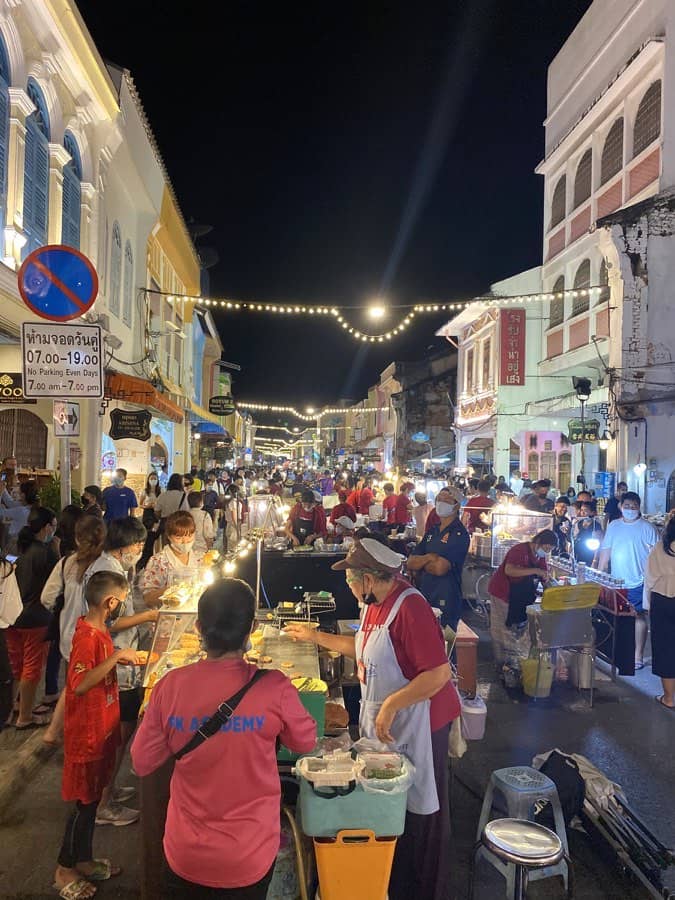
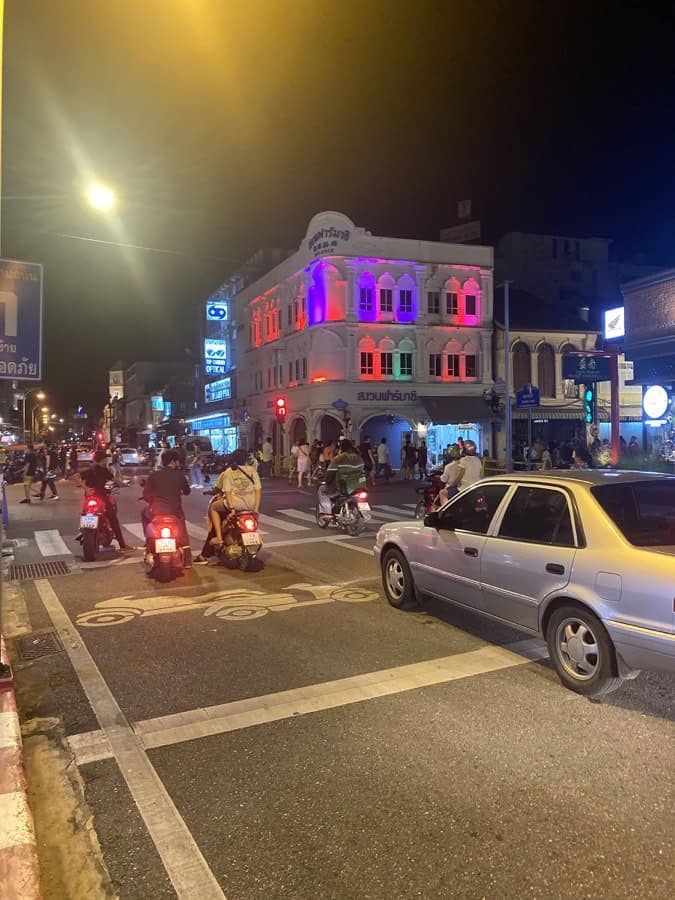
The streets, the market, the food — Old Phuket Town at the hour it actually belongs to the people who live there.
街道、市集、吃食——普吉老城,在真正属于住在这里的人的那个时辰。
ถนน ตลาด และอาหาร — เมืองเก่าภูเก็ตในช่วงเวลาที่เป็นของคนที่อาศัยอยู่ที่นี่จริง ๆ